


Propolis
Propolis – The link between the plant world, bees and humans
Many trees and plants, including the poplar, produce natural resins to protect buds and damaged areas of bark from environmental factors, dehydration and external stresses. These resinous substances are collected by honeybees and processed into propolis using the bees’ own enzymes.
Within the beehive, propolis fulfils important functions: it is used to seal small openings, helps to stabilise the honeycombs and contributes to maintaining a protected hive environment. Through close observation of bees, humans discovered the special properties of this bee product and began to use propolis in a variety of ways outside the hive and to study it in greater depth.
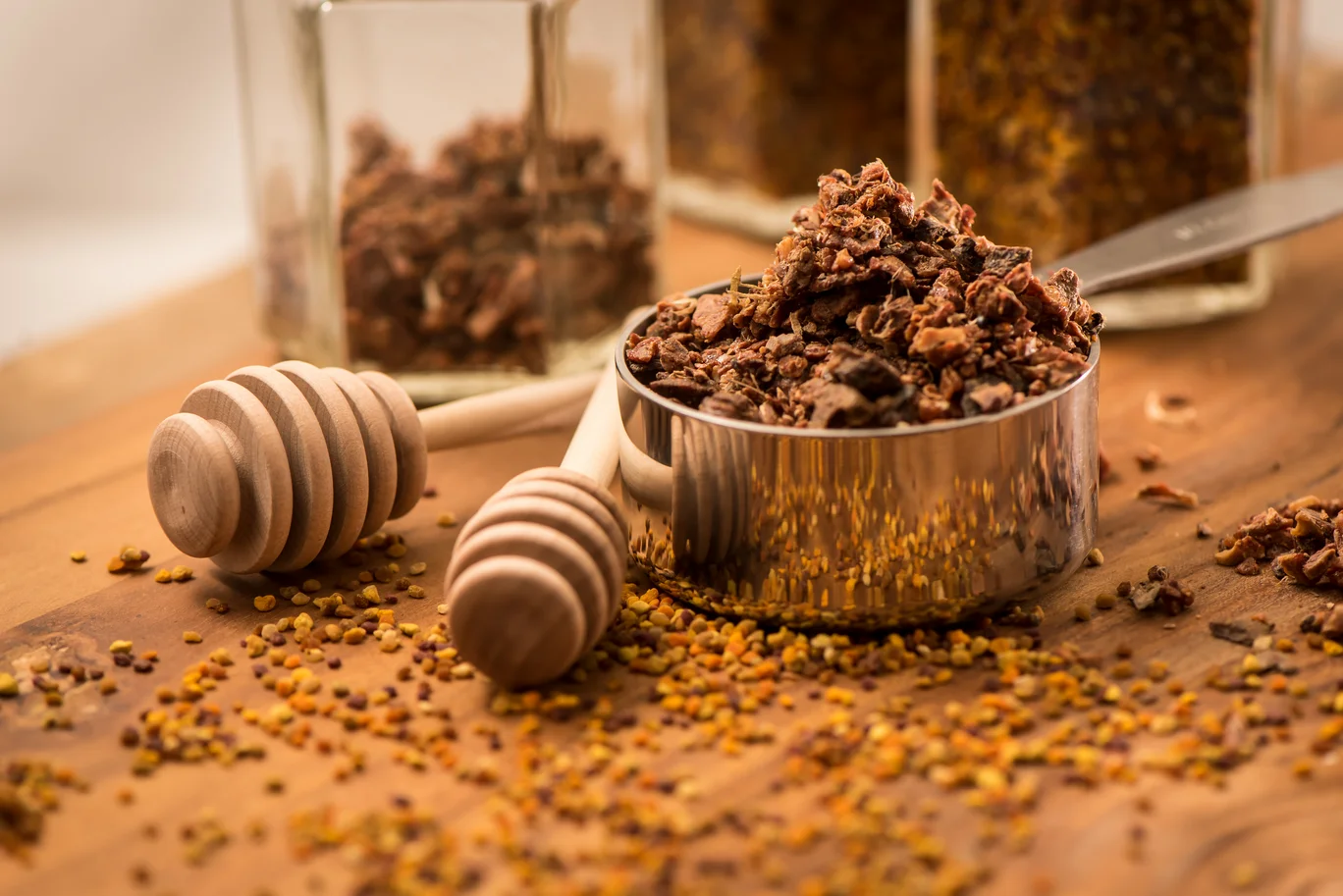
A natural substance steeped in tradition
Propolis has been valued for thousands of years. The ancient Egyptians used it in embalming, whilst the Greeks and Romans described its use for skin care and wound treatment. In European folk medicine, too, propolis was traditionally used for the skin and mucous membranes.
As a natural product, its composition varies from region to region, as different plant sources and bee species influence its constituents. It was not until the 2000s, with the advent of modern analytical methods, that it became possible to characterise propolis more precisely and to develop quality standards.
Propolis – Natural diversity comprising over 500 constituents
Propolis is a complex natural product in which more than 500 different constituents have been identified to date. Among the best-known constituents are CAPE (caffeic acid phenethyl ester) and flavonoids such as pinocembrin, chrysin, quercetin and galangin.
The special properties of propolis are attributed to the interaction of its numerous natural constituents. The focus is not on a single active ingredient, but on the harmonious interaction of the plant compounds it contains.
The appearance of propolis varies depending on its botanical origin. Its colour ranges from yellow-brown to dark brown or almost black shades. It is also characterised by its pleasant, resinous, slightly woody scent and its firm to slightly balsamic consistency.
How is propolis extracted?
Propolis is produced by honeybees from plant resins and acts as a natural protective substance within the hive. Many beekeepers use special plastic propolis frames to harvest it. The bees seal the fine openings in these grids with propolis, allowing this valuable bee product to be collected in a targeted manner.
After removal, the grids are cooled rapidly. The low temperatures cause the propolis to become brittle, allowing it to be gently and efficiently stripped from the grid surfaces.
Propolis is one of the rarer bee products. Depending on the location, climatic conditions and the availability of plants, a bee colony typically produces only around 50 to 500 grams per year. The quantity produced is therefore significantly lower than the annual honey harvest.
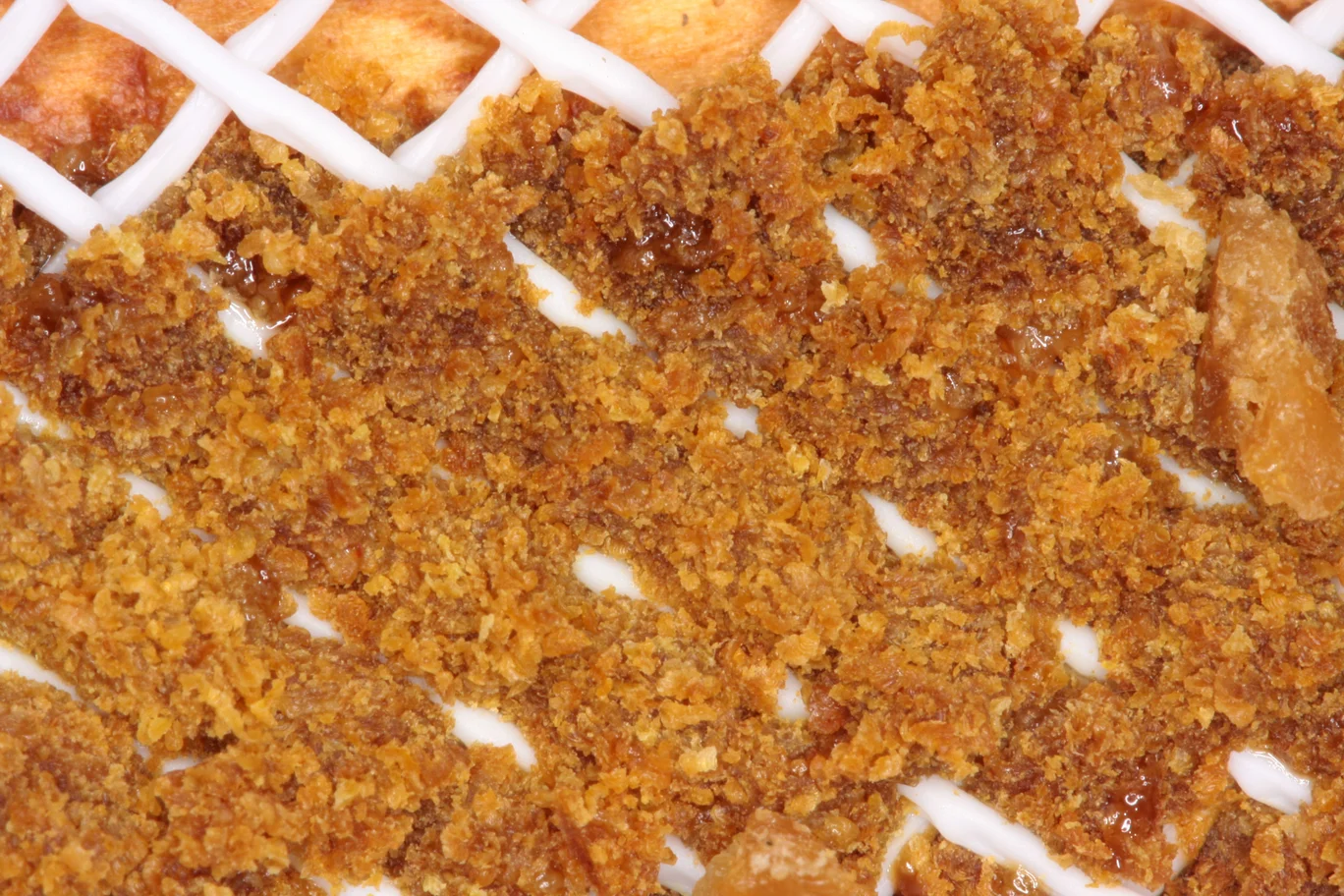
Brown and green propolis
Brown propolis is mainly obtained in Europe from the resins of various poplar species, whilst green propolis comes mainly from Brazil. Both varieties possess antioxidant and anti-inflammatory properties, but differ in their natural composition. Comparative studies suggest that brown propolis may exhibit stronger properties in certain areas.
How can the quality of propolis be assessed?
As the composition of raw propolis is influenced by its origin, vegetation and environmental conditions, natural variations may occur between individual batches. This makes it difficult to compare different propolis products directly. Modern processing methods enable the production of standardised propolis extracts with a defined polyphenol content and a consistent composition. This ensures a high degree of product consistency. To produce high-quality extracts, the raw propolis is first purified and stripped of wax components. The valuable active ingredients are then extracted using suitable extraction methods. Key quality criteria include a standardised polyphenol content, testing for potential contaminants, and comprehensive documentation and traceability of the origin of the raw material used.
Propolis and its uses
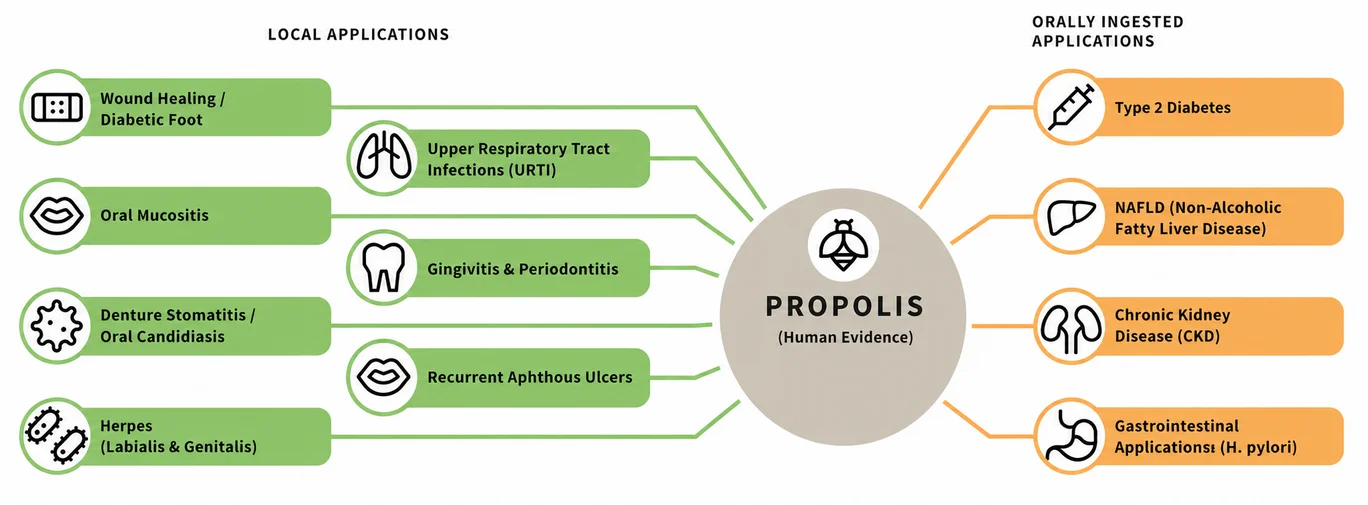
Propolis has been studied in scientific research for a wide range of applications. Particular emphasis is placed on its topical use in the mouth and throat. Positive results have been observed particularly in relation to inflammatory conditions such as gingivitis (inflammation of the gums) and mucositis (inflammation of the mucous membranes), as well as infections of the upper respiratory tract. These areas of application are currently among the best-studied and most well-documented uses of propolis.
Example of a clinical trial
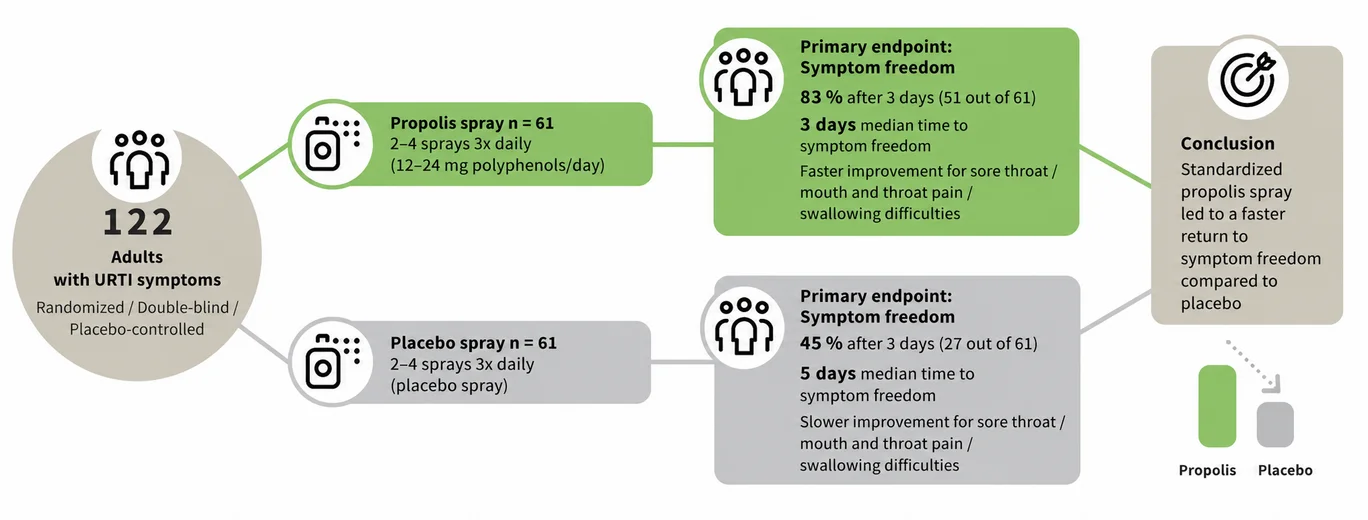
A randomised, placebo-controlled, double-blind study investigated the effect of a propolis throat spray on upper respiratory tract infections (URTI). Compared with the placebo group, participants treated with propolis reached a symptom-free phase significantly sooner. The results suggest a possible positive influence on the course of the illness.
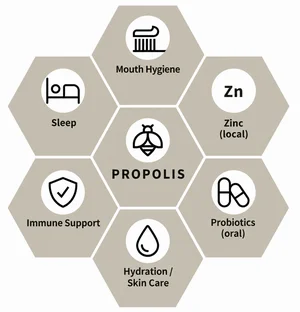
Getting the most out of propolis
The health of the mucous membranes and the immune system is influenced by several factors. In addition to propolis, an adequate intake of key micronutrients, locally available zinc and oral probiotics can help to support a balanced microbiome. Similarly, well-moisturised mucous membranes and restful sleep are important prerequisites for the body’s own defence mechanisms to function optimally.


