


Energy for everyday life: how nutrients can support you.
Some days just start hard. The alarm clock rings, your head feels foggy and every step feels laborious. As the day progresses, the craving for small energy boosts such as coffee or chocolate often grows. In the evening, there is often hardly any energy left for exercise, meeting friends or other things that are really enjoyable.
Imagine a morning when you get out of bed easily, your head is clear and your body is full of energy. Everyday life is effortless, and even after a long day you still have enough energy for small pleasures. A stable feeling of energy is created when diet, lifestyle and nutrient supply work together harmoniously.
The energy metabolism - a finely tuned system
Energy metabolism is a finely tuned interplay of numerous biological processes that enable the body to efficiently utilise and provide energy from food. Energy is not simply "consumed", but continuously converted in the cells and made available for various tasks such as exercise, concentration or regeneration. Vitamins, minerals and trace elements act as little helpers in the background by supporting central metabolic reactions.
If all the necessary building blocks are sufficiently available, the body can react flexibly to the demands of everyday life. However, if certain micronutrients are missing, the energy metabolism runs less smoothly. This can manifest itself in the form of rapid fatigue, reduced resilience or diminished mental clarity. Particularly in phases of increased physical or mental stress, the need for supporting nutrients increases in order to maintain constant energy production.
A balanced diet therefore forms the basis for a functioning energy metabolism. In combination with a conscious lifestyle, it helps to support the natural energy processes in the body and promote a stable feeling of energy in everyday life.

A balanced diet therefore forms the basis for a functioning energy metabolism. In combination with a conscious lifestyle, it helps to support the natural energy processes in the body and promote a stable feeling of energy in everyday life.
B vitamins
B vitamins are involved in numerous metabolic processes that enable the supply of energy in the cells. They support the utilisation of carbohydrates, fats and proteins from food so that energy is available for a variety of tasks. It is important to ensure a balanced supply of the entire vitamin B complex. Vitamin B12 is particularly important for the formation of red blood cells and the transport of oxygen, which supports the energy supply of the cells. People who eat a plant-based diet in particular should make sure they get enough vitamin B12.
Iron
Iron is central to the transport of oxygen in the blood. As oxygen is required for many processes that provide energy, iron plays a crucial role in energy metabolism. A low iron status can manifest itself in tiredness or reduced performance. Women, athletes or people who eat a plant-based or unbalanced diet should pay particular attention to their iron supply.
Vitamin C
Among other things, vitamin C contributes to the formation of carnitine. Carnitine supports the transport of fatty acids, which are used in the cells to generate energy. In this way, vitamin C can support the energy metabolism in a natural way.
Magnesium
Magnesium is involved in numerous processes in the body, including those that are important for energy production. An inadequate supply can manifest itself in fatigue or reduced resilience, among other things.
Amino acids
Amino acids are fundamental building blocks of proteins and are involved in metabolic processes in which energy is made available from food. They can be converted into substances that are used directly for energy production in the cells. A targeted intake can be particularly useful in phases of increased physical or mental stress.

Tips for everyday life

- Regular, balanced meals help to keep energy levels available. You can find recipes at www.burgerstein.ch/rezepte
- Sufficient fluids such as water or unsweetened teas support well-being and concentration.
- Light exercise such as walking or stretching stimulates the metabolism.
- Fresh air and short breaks help to clear your head and recharge your batteries.
- Sufficient sleep enables regeneration and recharges energy stores.
When additional care makes sense
In certain life situations, the need for micronutrients can increase or not be fully covered by the daily diet. These include physically or mentally demanding phases, intensive sport, stress, an unbalanced or one-sided diet and increasing age. Changes in life circumstances or increased demands in everyday life can also mean that the body needs more supporting nutrients in order to optimally maintain its metabolic processes.
A targeted supplementation of the diet can help to close possible supply gaps and support the energy metabolism. High-quality multivitamin supplements offer a sensible basis for this, as they provide a broad selection of vitamins and minerals in a harmonised form. They can help to supplement the daily nutrient intake and support the body in everyday life.
In phases of increased need, it can also be useful to take individual micronutrients in a targeted manner. Depending on the individual situation, this can help to support the body as required and promote personal well-being and performance in everyday life. A conscious combination of a balanced diet, adapted to the respective phase of life, and targeted supplementation creates a good basis for a stable energy supply.
Conclusion
If all the building blocks are present, the body can utilise energy efficiently. This supports a balanced sense of well-being, stable performance and a more active, lighter everyday life - even in demanding phases of life.
Burgerstein products support...
-

AminoVital
check product -

B-Komplex
check product -
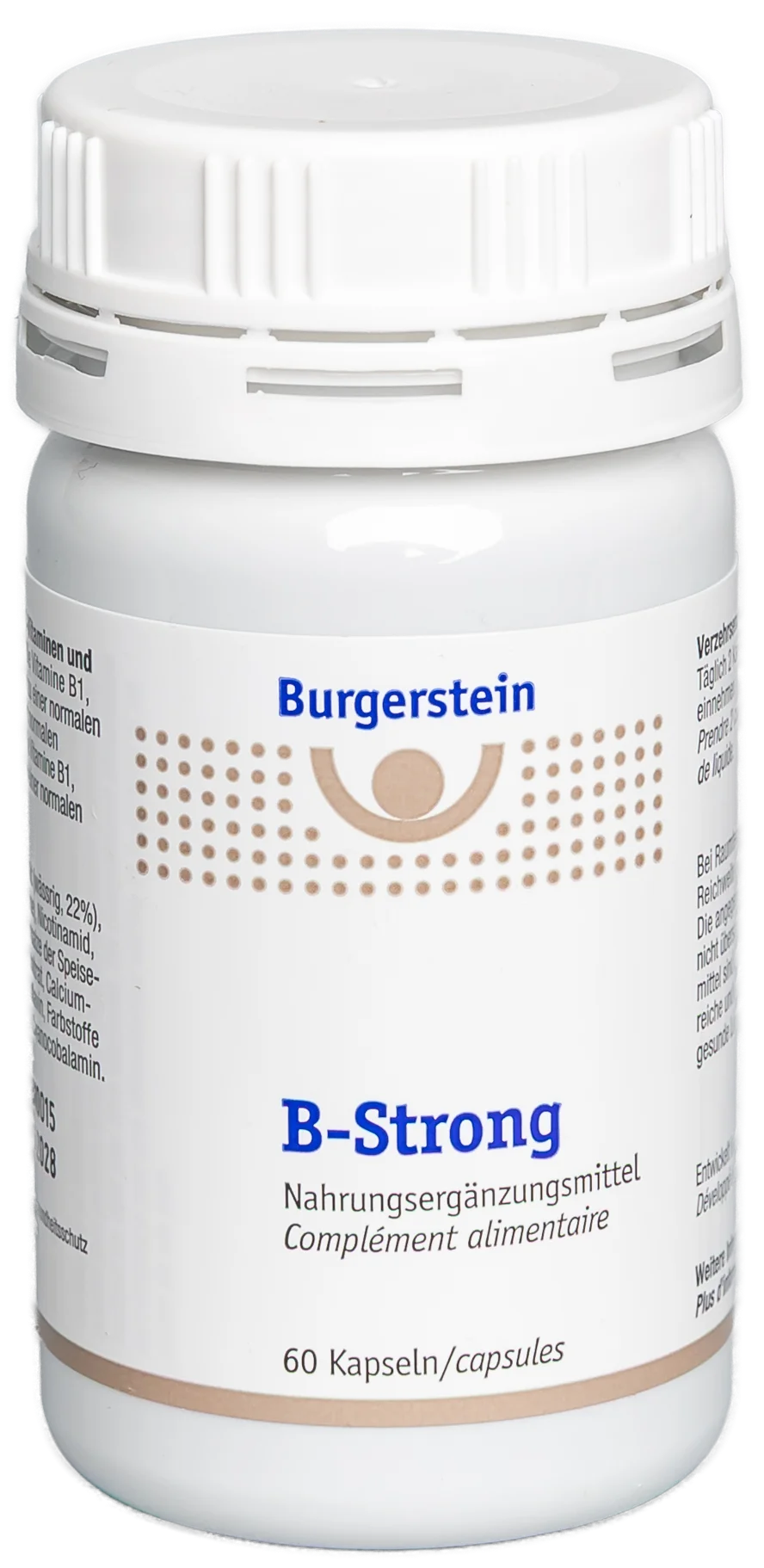
B-Strong
check product -

Vitamin C 1000mg time-release
check product -

MagnesiumVital
check product -

MagnesiumVital direct
check product -

Eisen plus
check product -

Multivitamin Mineral CELA
check product -

TopFit
check product


