


Stress in everyday life – when the body and mind come under pressure.
The day begins with a full schedule, the smartphone is already displaying the first messages, and even before the first cup of coffee has been drunk, you feel tense inside. Throughout the day, one task follows another, and breaks are often neglected. In the evening, you are tired, but still find it difficult to relax.
For many people, stress is part of everyday life. In the short term, it can boost performance. However, if it persists over a longer period of time, the body lacks the time to regenerate – and this can affect your well-being, energy levels and inner balance. This makes it all the more important to recognise and understand your own stress reactions and to support your body in a targeted manner.
Is stress always negative & how does it arise?
A distinction must be made between EU stress and DIS stress. The former is called positive stress, the emotion of being newly in love can be used as an example here. In the case of burnout, it is DIS stress, i.e. negative stress that is not conducive to physical well-being and can lead to damage to health.
The stress reaction is biochemically triggered and controlled by hormones such as adrenaline, noradrenaline and cortisol. The physical reaction is a rising pulse and blood pressure as well as higher blood sugar levels. In the long run, this condition is harmful and the chronic stress can lead to secondary diseases.

Symptoms of stress
Chronic stress can be a common sign of burn-out. This usually manifests itself through symptoms such as
- Exhaustion
- Fatigue
- Lack of energy
- Disturbances in the ability to concentrate.
Other common symptoms of long-term stress or burnout can include sleep disturbances, susceptibility to infections, increased risk of heart attack (Interheart study 2004), reduced libido, digestive problems and premature ageing.
Treatment of stress
However, there is no standardised treatment for people suffering from burnout. It is usually necessary to deal with the sufferer individually.
Non-drug strategies:
- Eliminate sources of stress of a private or professional nature
- Improve work-life balance
- Reduce consumption of stimulants (alcohol, tobacco)
- Switch to a high-quality diet (fresh vegetables, fruits, high-quality protein sources)
- Autogenic training, relaxation practices
- Practise sports
Support through micronutrients
The addition of micronutrients can help restore biochemical balance.
| Nutrient | Recommended daily allowance | Explanation | ||
| Vitamin B complex | Complete formula with: 10-75 mg vitamin B1, B2, B6, B12, niacin, pantothenic acid and folic acid (0.4 - 0.8 mg) | Increased B vitamin requirement during stressful times. Fatigue and exhaustion can be signs of a B vitamin deficiency | ||
| Vitamin C | 1–3 g, divided between morning and evening, or once daily with time-release formula | Increased consumption during times of stress; helps to balance the body's stress response (reduced cortisone release; also during exercise). | ||
| Magnesium | 300 - 600 mg | Has a tension-relieving effect and is often consumed in combination with vitamin B6 | ||
| Coenzyme Q10 | 60 - 300 mg | Supports cardiovascular function and energy metabolism. |
Good for your stress...
-
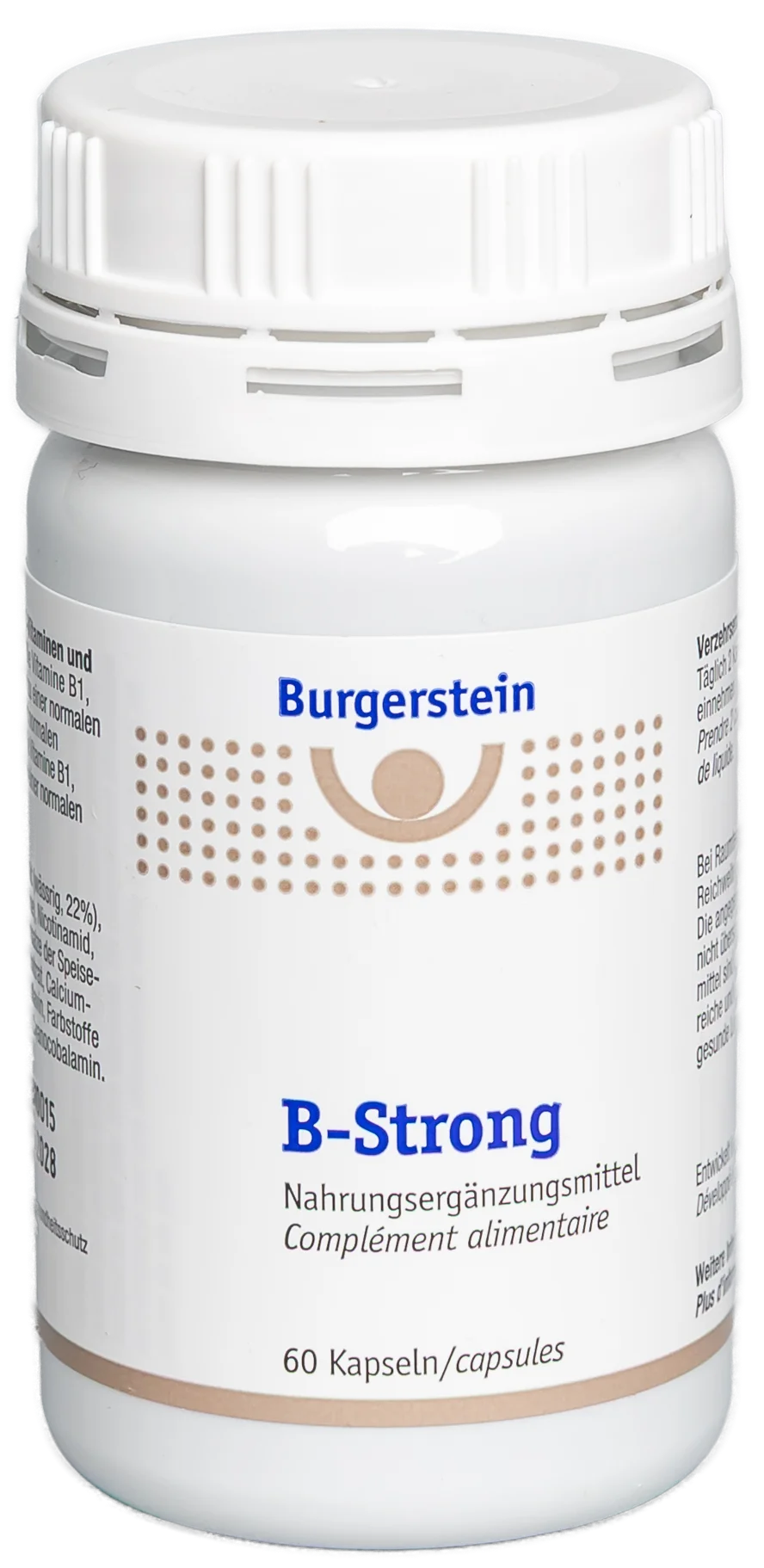
B-Strong
check product -

Mood
check product -

B-Komplex
check product -

Vitamin C 1000mg time-release
check product -

Coenzym Q10 30 mg Capsules
check product


